

Antidepressant medication is an important and effective part of treating depression. However, for some, medication alone doesn’t bring the relief they hoped for. If you’ve tried antidepressants and still feel stuck, discouraged, or emotionally flat, it may be time to explore additional or alternative treatment options.
Depression is a complex condition involving brain chemistry, life experiences, and stress. That complexity is why no single treatment works for everyone and why a broader view of care can be so important.
“Not responding to oral antidepressants is not a failure. It just means your brain may need a different approach.”
— Tiffini Lasch, PMHNP
Below is an overview of several evidence-based alternatives that may be considered when medication alone isn’t enough.
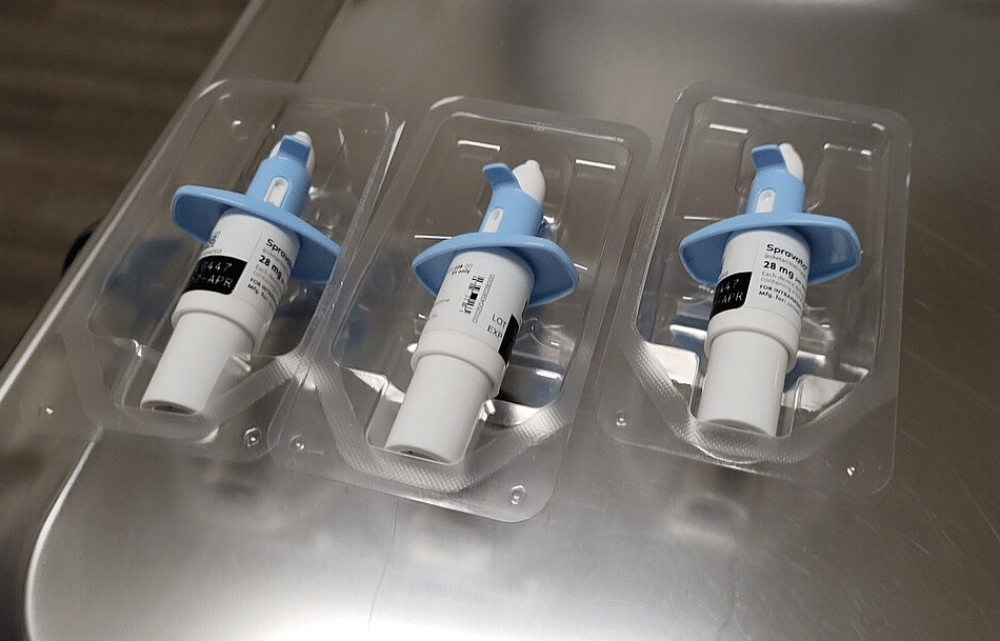
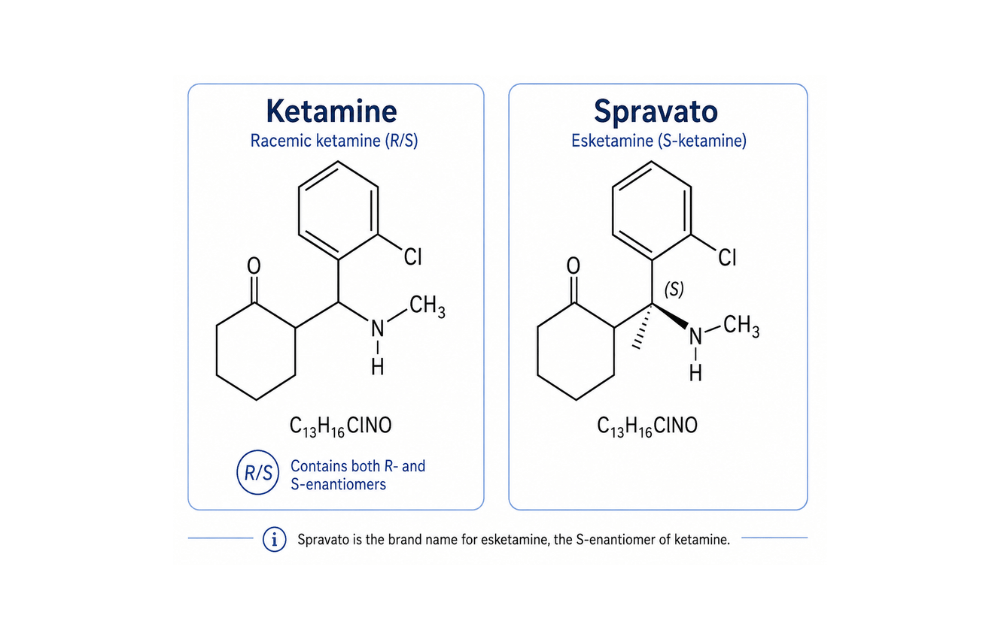
Ketamine Therapy and SPRAVATO® (Esketamine)
Ketamine-based treatments work on the brain’s glutamate system, which differs from traditional antidepressants that target serotonin and related neurotransmitters. SPRAVATO® is an FDA-approved nasal spray form of esketamine used in certified clinics.
Pros:
- Can work when other antidepressants haven’t
- Faster onset of relief for some patients
- FDA-approved (SPRAVATO® only)
- Administered in a supervised medical setting
Cons:
- Requires in-clinic visits and monitoring
- Temporary side effects such as dissociation or drowsiness
- Not appropriate for teens and some health-risk individuals
Transcranial Magnetic Stimulation (TMS)
TMS is a noninvasive treatment that uses magnetic pulses to stimulate areas of the brain involved in mood regulation, creating new neural pathways. TMS is often considered for people with treatment-resistant depression who want a non-medication option.
Pros:
- FDA-approved for depression
- Noninvasive, no anesthesia required
- Minimal systemic side effects
- No medication involved
Cons:
- Requires frequent sessions (often 4–5 days/week for several weeks)
- Can cause mild scalp discomfort or headaches
- Not effective for everyone
Electroconvulsive Therapy (ECT)
ECT uses controlled electrical stimulation of the brain under anesthesia to treat severe or life-threatening depression. ECT is typically reserved for severe cases, including depression with suicidal risk or psychotic features.
Pros:
- One of the most effective treatments for severe depression
- Can be life-saving in urgent cases
- Works when many other treatments fail
Cons:
- Requires anesthesia
- Possible short-term memory effects
- Can be expensive, even with insurance
Psychotherapy Approaches
Therapy is often effective when tailored to the individual. Some commonly used evidence-based approaches include:
Cognitive Behavioral Therapy (CBT) which focuses on identifying and changing negative thought patterns, Interpersonal Therapy (IPT) which addresses relationship patterns and social stressors linked to depression, and Trauma-Informed Therapies (like EMDR) which are useful when depression is connected to trauma or adverse life events.
Pros:
- Builds long-term coping skills
- Can be combined with medical treatments
- No medication side effects
Cons:
- Progress may be gradual
- Requires emotional engagement and consistency
Light Therapy (Seasonal Affective Disorder)
What it is: Light therapy uses bright artificial light to help regulate circadian rhythms, particularly for seasonal depression.
Pros:
- Noninvasive
- Can be done at home
- Helpful for seasonal mood patterns
Cons:
- Less effective for non-seasonal depression
- Requires daily consistency
- Various research results
Psilocybin-Assisted Therapy (Emerging Research)
Psilocybin, the active compound in “magic mushrooms,” is being studied for depression under controlled therapeutic settings. This option remains research-based and is not yet widely available or legal in clinical practice.
Pros:
- Early research shows promise
- Can lead to meaningful psychological insights
Cons:
- Not FDA-approved for depression
- Legal access is limited
- Still considered experimental
Next Steps Toward Treatment
Choosing an alternative treatment isn’t about finding the “strongest” option—it’s about finding the right fit for your brain, history, and goals. A comprehensive psychiatric evaluation helps determine what makes sense and what doesn’t.
If medication alone hasn’t been enough, it doesn’t mean you’re out of options. Today’s depression treatment landscape offers multiple pathways—many of which can be combined thoughtfully for better outcomes.
If you’re in the Columbus, Ohio area and wondering whether an alternative treatment approach may be right for you, EverHope Wellness is here to help you explore your options with clarity and support.
Resources
Mayo Clinic. (n.d.). Transcranial magnetic stimulation (TMS).
https://www.mayoclinic.org/tests-procedures/transcranial-magnetic-stimulation/about/pac-20384625
Mandal, S., Sinha, V. K., & Goyal, N. (2019). Efficacy of ketamine therapy in the treatment of depression. Indian journal of psychiatry. https://pmc.ncbi.nlm.nih.gov/articles/PMC6767816/
Mayo Clinic. (n.d.). Electroconvulsive therapy (ECT).
https://www.mayoclinic.org/tests-procedures/electroconvulsive-therapy/about/pac-20393894
Campbell, P.D., Miller, A. M., & Woesner, M. E. (20217). Bright Light Therapy: Seasonal Affective Disorder and Beyond. The Einstein journal of biology and medicine: EJBM. https://pmc.ncbi.nlm.nih.gov/articles/PMC6746555/
Johns Hopkins Medicine. (2022, February). Psilocybin treatment for major depression effective for up to a year for most patients, study shows.
https://www.hopkinsmedicine.org/news/newsroom/news-releases/2022/02/psilocybin-treatment-for-major-depression-effective-for-up-to-a-year-for-most-patients-study-shows