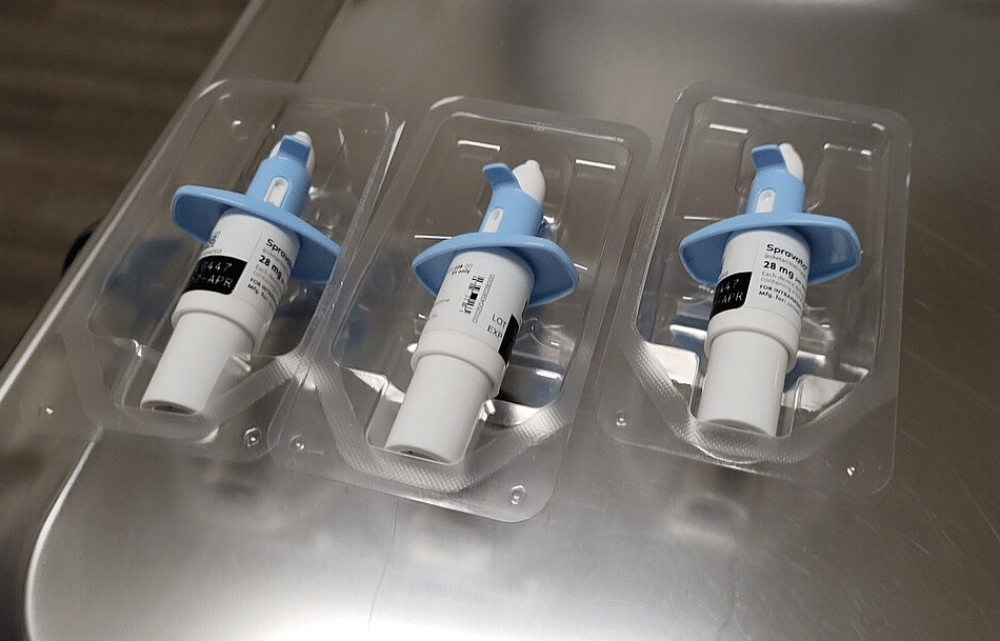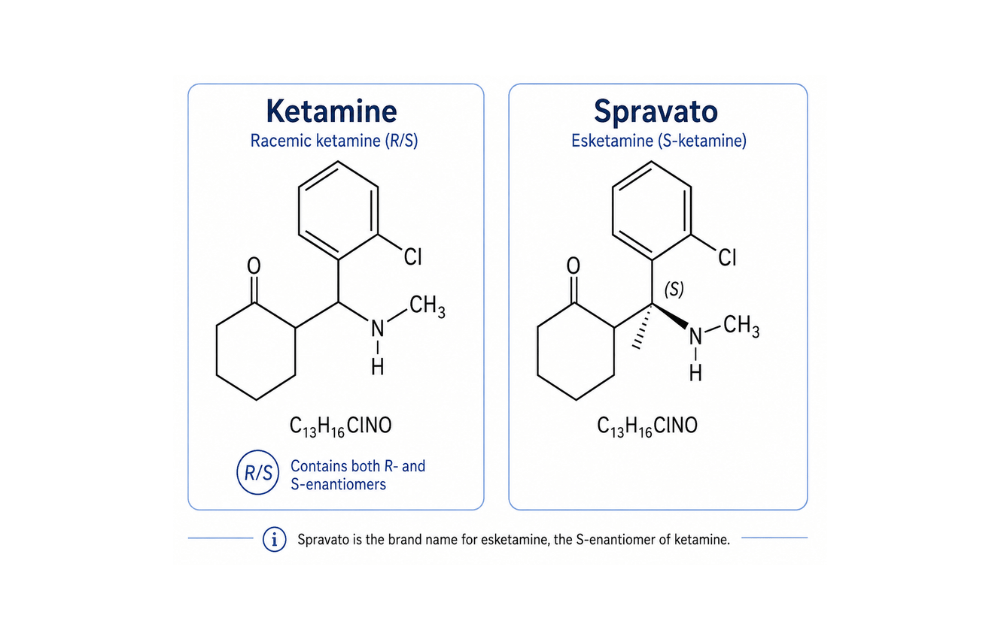


If you’re considering SPRAVATO® (esketamine) for depression, it’s completely natural to have questions, or even fears, about side effects. Many people come to treatment after a long, difficult journey, and the idea of trying something new can feel intimidating.
EverHope Wellness addresses the most common concerns patients raise about SPRAVATO® and explains what is typical, what is temporary, and what is closely monitored.
Common Side Effects
SPRAVATO® (esketamine) works differently than traditional antidepressants, which is part of why it can help when other treatments haven’t. But that difference also raises understandable questions.
Concerns about dissociation, safety, and loss of control, are very common. Fortunately, these experiences are well understood and carefully managed in clinical settings. Not everyone experiences side effects from SPRAVATO®, and when they do occur, they are typically temporary and monitored in-clinic.
Some of the most commonly reported effects include:
- Dissociation or altered perception (feeling disconnected or “floaty”)
- Drowsiness or fatigue
- Lightheadedness or dizziness
- Nausea
- Mild increases in blood pressure
These effects usually occur shortly after administration and resolve the same day.
Dissociation: What It Is and What It Isn’t
One of the most common concerns patients share before starting SPRAVATO® is the fear of feeling “high.” For many people, this is an indication of worry about losing control, feeling unsafe, or having an experience they can’t manage.
Though SPRAVATO® can cause dissociation or a temporary change in perception or awareness, this sensation is not the same as “getting high.”
Someone who has never experienced a dissociative state before, this can feel unfamiliar or unusual, and some people describe it as similar to a “high.” However, it is not the same as being high in the recreational sense. Dissociation during SPRAVATO® treatment is a medication effect, not intoxication. It does not involve impaired judgment, loss of consciousness, or lack of supervision.
If dissociation happens, it typically lasts 20 to 40 minutes and resolves well before patients leave the clinic. Throughout the session, patients are supported, observed, and never left alone.
For some, the sensation is mild or doesn’t occur at all. For others, it’s simply a temporary state that passes as the medication wears off. In all cases, the goal is safety, comfort, and transparency.
Side Effects That are Not Typical
Patients often worry about long-term impairment, addiction, or feeling out of control after treatment. Current clinical evidence does not support these fears when SPRAVATO® is used as directed in a medical setting.
SPRAVATO® is not taken daily at home, is not self-managed, and is used as part of a broader treatment plan that includes psychiatric oversight and often therapy.While most side effects are temporary, it’s important to communicate openly with your provider.
You should always discuss:
- Side effects that feel distressing or unexpected
- A history of sensitivity to medications
- Concerns about anxiety or dissociation
- Any medical conditions that may affect treatment
Asking questions is encouraged and expected by most providers.
Safety During SPRAVATO® Treatment
SPRAVATO® is regulated under a Risk Evaluation and Mitigation Strategy (REMS) program, meaning it must be administered in a certified clinic with medical supervision.
At EverHope Wellness, safety protocols include:
- In-clinic administration only
- Continuous monitoring during the session
- Observation for at least two hours after dosing
- Blood pressure checks and symptom monitoring
- Ensuring patients have transportation home
These safeguards are in place to ensure that side effects, if they occur, are addressed promptly and calmly.
Reassurance for Feeling Unsure
Feeling nervous does not mean SPRAVATO® isn’t right for you. In fact, curiosity and caution often indicate that someone is thoughtfully engaging in their care.
SPRAVATO® side effects are real but so is the careful structure designed to manage them safely. For many patients with treatment-resistant depression, understanding what’s normal and what’s monitored makes the decision to explore advanced care feel far less overwhelming.
If you’re in the Columbus, Ohio area and have questions about SPRAVATO®, EverHope Wellness is here to help you explore your options with clarity, compassion, and support.
References
U.S. Food and Drug Administration. (2019). SPRAVATO® (esketamine) prescribing information.
https://www.accessdata.fda.gov/drugsatfda_docs/label/2019/211243lbl.pdf
National Institute of Mental Health. Depression — overview and treatment considerations. https://www.nimh.nih.gov/health/topics/depression
Spravato REMS Program Overview. (n.d.). Janssen Pharmaceuticals, Inc. https://www.spravatorems.com/pdfs/REMSProgramOverview
SPRAVATO® (esketamine) medical search results. (n.d.). J&J Medical Connect. https://www.jnjmedicalconnect.com/products/spravato/medical-search-results?ct=Patient+Medical+Information&q=Spravato&sp=SPRAVATO%C2%AE