

Treatment-resistant depression (TRD) is more common than many people realize but severely misunderstood. If you’ve tried antidepressants, therapy, or lifestyle changes and still feel stuck, exhausted, or hopeless, you may be wondering why nothing seems to work. The answer is not that you’ve failed. In many cases, it means your depression requires a different level or type of care.
What Does “Treatment-Resistant Depression” Mean?
Treatment-resistant depression is typically defined as a major depressive disorder that has not adequately improved after trying two or more antidepressant medications at appropriate doses and durations. According to clinical research, up to 30% of people with depression do not respond well to standard antidepressant treatments alone.
EverHope’s psychiatric mental health nurse practitioner Tiffini Lasch explains,
“When patients don’t respond to oral antidepressants, they often think it’s their fault. And that just isn’t true. Their body simply isn’t responding to those chemicals.”
Tiffini also prefers the term, “Medication-resistant Depression” for the condition because depression is not a one-size-fits-all condition. Brain chemistry, life stressors, genetics, and trauma history all influence how someone responds to various treatments.
Why Antidepressants Don’t Work for Everyone
Traditional antidepressants, such as SSRIs and SNRIs, primarily target neurotransmitters like serotonin, dopamine, and norepinephrine. While these medications are effective for many people, they act on a relatively small portion of the brain’s chemical pathways.
This is why a lack of response to antidepressants is not a personal failure but a signal that a different approach is needed.
Common Signs Your Depression May Be Treatment-Resistant
Treatment-resistant depression doesn’t always announce itself clearly. Many people continue to function outwardly while feeling deeply unwell inside. Some common signs include:
- Little or no improvement after multiple antidepressant trials
- Persistent feelings of hopelessness, numbness, or emotional heaviness
- Dreading daily life or feeling overwhelmed by ordinary tasks
- Cycling through providers or treatments without lasting relief
- Losing motivation, interest, or connection to people and activities
- Feeling like “nothing will ever work”
Tiffini notes a pattern she sees frequently:
“Patients often come in feeling like they’re at the end of the rope. They don’t see light at the end of the tunnel anymore.”
These experiences can quietly build over time, especially when depression has been present for years.
What Causes Depression to Become Treatment-Resistant?
There is no single cause of treatment-resistant depression. Instead, it often results from a combination of factors, including:
- Long-term or untreated depression
- Chronic stress, trauma, or major life events
- Co-occurring anxiety, PTSD, or medical conditions
- Biological differences in how the brain processes medications
- Delayed access to effective or comprehensive care
When Is It Time to Explore Advanced Depression Treatment?
You may be ready to consider advanced options if:
- You’ve tried two or more antidepressants without meaningful relief
- Symptoms remain moderate to severe despite treatment
- Depression is interfering with work, relationships, or daily functioning
- You feel emotionally stuck, numb, or hopeless
- You’re curious about options beyond standard medication
Seeking advanced care means staying open to possibilities and holding onto hope.
What to Do If You Think You Have Treatment-Resistant Depression
The next step is not jumping into a new treatment blindly. It starts with a comprehensive psychiatric evaluation that looks at your full history, symptoms, stressors, and goals.
At EverHope Wellness, consultations are collaborative and thorough. Tiffini explains:
“I want patients to ask questions and be their own advocates. We look at the whole picture so we can build a care plan that actually fits their life.”
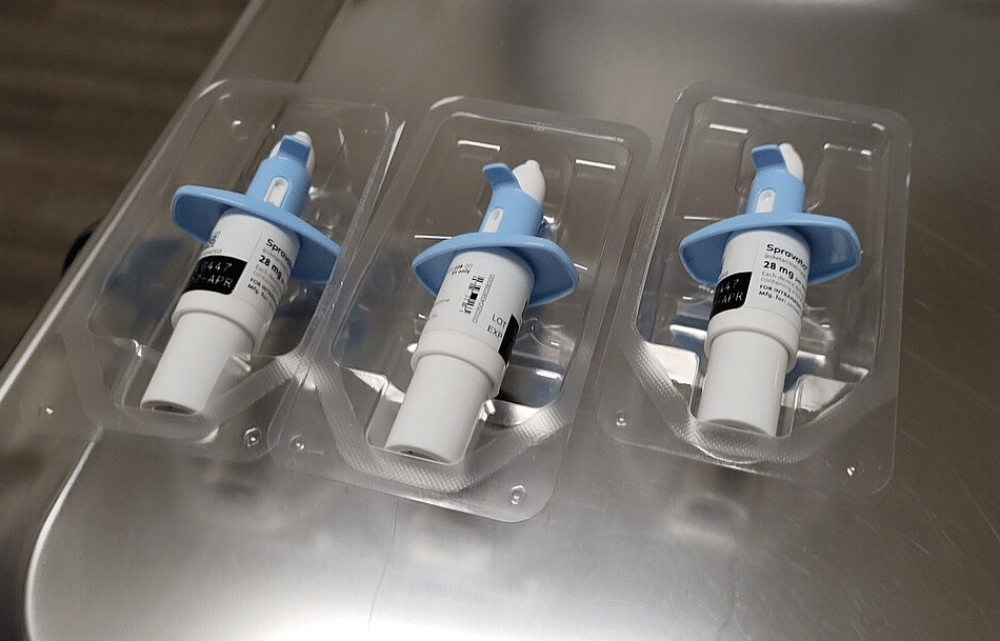
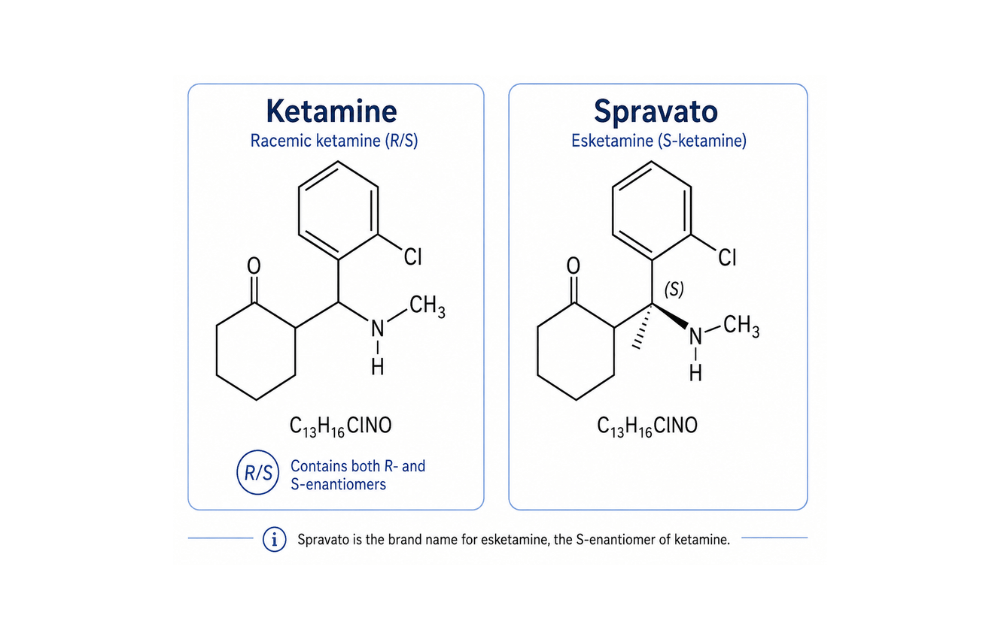
Advanced options, such as SPRAVATO® (esketamine), TMS, or other integrative approaches may be discussed depending on your needs. The goal is not just symptom reduction, but helping you feel lighter, more engaged, and able to reconnect with life.
You Are Not Out of Options
If nothing has worked so far, it doesn’t mean nothing will. Treatment-resistant depression is a medical condition, not a personal shortcoming, and effective, evidence-based options exist.
If you’re in the Columbus, Ohio area and wondering whether advanced depression treatment may be right for you, EverHope Wellness is here to help you explore your next step with clarity and care.
References
National Institute of Mental Health (NIMH): Depression
https://www.nimh.nih.gov/health/topics/depression
Rush AJ et al. Acute and longer-term outcomes in depressed outpatients requiring one or several treatment steps. American Journal of Psychiatry https://psychiatryonline.org/doi/10.1176/foc.6.1.foc128
Mayo Clinic: Treatment-resistant depression
https://www.mayoclinic.org/diseases-conditions/depression/in-depth/treatment-resistant-depression/art-20044324