Antidepressants have helped millions of people manage depression and reclaim their lives. But for a significant number of individuals, these medications provide only partial relief—or none at all. If you’ve tried antidepressants and still feel stuck, frustrated, or discouraged, it’s important to know this: a lack of response is not a personal failure.
At EverHope Wellness Clinic, many patients arrive feeling confused about why medications that help others haven’t worked for them. This article explains how antidepressants work, how many types exist, why they sometimes don’t work, and what medication resistance actually means.
Depression Is Not One Single Condition
One of the most important things to understand about depression is that it isn’t a single disease with a single cause. Depression can involve differences in brain chemistry, neural circuitry, stress hormones, inflammation, genetics, trauma exposure, and life context. Because of this complexity, no single medication works for everyone.
Antidepressants were originally developed around the idea that depression stemmed from imbalances in certain neurotransmitters—chemical messengers that help brain cells communicate. While this model has expanded over time, many antidepressants still target specific neurotransmitter systems, most commonly serotonin and norepinephrine.
For some brains, that approach works well. For others, it doesn’t fully address the underlying biology of their depression.
How Many Antidepressant Medications Exist?
Today, there are dozens of antidepressant medications approved for use in the United States. While brand names differ, most fall into a handful of major classes. Each class works slightly differently in the brain, which is why switching medications or classes is sometimes helpful—but not always sufficient.
The Main Classes of Antidepressants (and What They Do)
Selective Serotonin Reuptake Inhibitors (SSRIs) are the most commonly prescribed antidepressants. Medications like fluoxetine (Prozac), sertraline (Zoloft), and escitalopram (Lexapro) work by increasing the availability of serotonin, a neurotransmitter involved in mood regulation, emotional processing, and stress response. SSRIs are often first-line treatments because they’re generally well tolerated, but studies show that only about one-third of patients achieve full remission with the first SSRI they try.
Serotonin-Norepinephrine Reuptake Inhibitors (SNRIs), such as venlafaxine (Effexor) and duloxetine (Cymbalta), affect both serotonin and norepinephrine. Norepinephrine plays a role in alertness, energy, and concentration. These medications can be helpful for people whose depression includes fatigue or physical pain, but they still don’t work for everyone.
Atypical Antidepressants include medications like bupropion (Wellbutrin) and mirtazapine (Remeron). These target different neurotransmitter systems, such as dopamine or norepinephrine, and are sometimes used when SSRIs aren’t effective or cause unwanted side effects.
Tricyclic Antidepressants (TCAs) and Monoamine Oxidase Inhibitors (MAOIs) are older classes of medications. While they can be effective, they’re used less frequently today due to side effect profiles, dietary restrictions (especially with MAOIs), and safety considerations.
Despite the variety of options, many medications still act on overlapping chemical pathways, which helps explain why switching from one antidepressant to another sometimes leads to limited improvement.
Why Antidepressants Sometimes Don’t Work
There are several reasons antidepressants may not produce the desired results, and none of them reflect a lack of effort or willpower from the patient.
First, brain chemistry varies from person to person. Some individuals’ depression is less related to serotonin or norepinephrine and more connected to other systems, such as glutamate signaling, stress-response pathways, or neural connectivity. Traditional antidepressants don’t always directly target these systems.
Second, chronic stress and trauma can change the structure and function of the brain over time. Research shows that prolonged stress can reduce neuroplasticity—the brain’s ability to adapt and form new connections—particularly in regions involved in mood and motivation.
Third, genetics play a role. Genetic differences can affect how medications are metabolized and how brain receptors respond, which is why the same medication can feel life-changing for one person and ineffective for another.
Finally, expectation timelines matter. Antidepressants typically take weeks to show benefit, and early side effects can make it difficult to continue long enough to see improvement. Even when taken correctly, many people experience partial relief rather than full remission.
How Common Is Antidepressant Non-Response?
Medication resistance is far more common than most people realize. Large-scale studies, including the National Institute of Mental Health’s STAR*D trial, found that:
- Only about 33% of patients achieve remission after the first antidepressant
- About 50–60% respond after trying two medications
- A significant portion continue to experience symptoms even after multiple trials
This pattern is what clinicians refer to as treatment-resistant depression—and it is a medical condition, not a personal shortcoming.
Not Responding Is Not a Failure
Many people internalize antidepressant non-response as “something being wrong with them.” In reality, it often means that the treatment doesn’t match the biology of their depression.
Just as asthma, diabetes, or chronic pain can require different treatment strategies for different people, depression care sometimes needs to move beyond standard medication approaches. Recognizing that earlier, rather than pushing through endless medication trials, can be a turning point.
When Antidepressants Help, and When Other Options May Be Needed
Antidepressants can be life-saving and effective for many people, particularly when depression is mild to moderate and responsive to serotonin-based treatments. They are often most effective when combined with therapy, social support, and lifestyle stabilization.
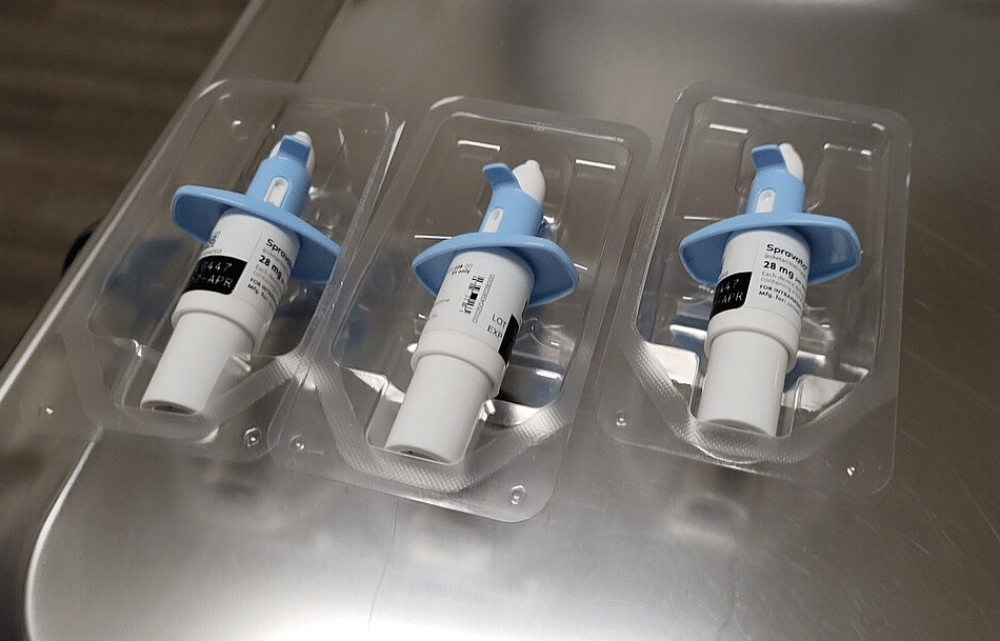
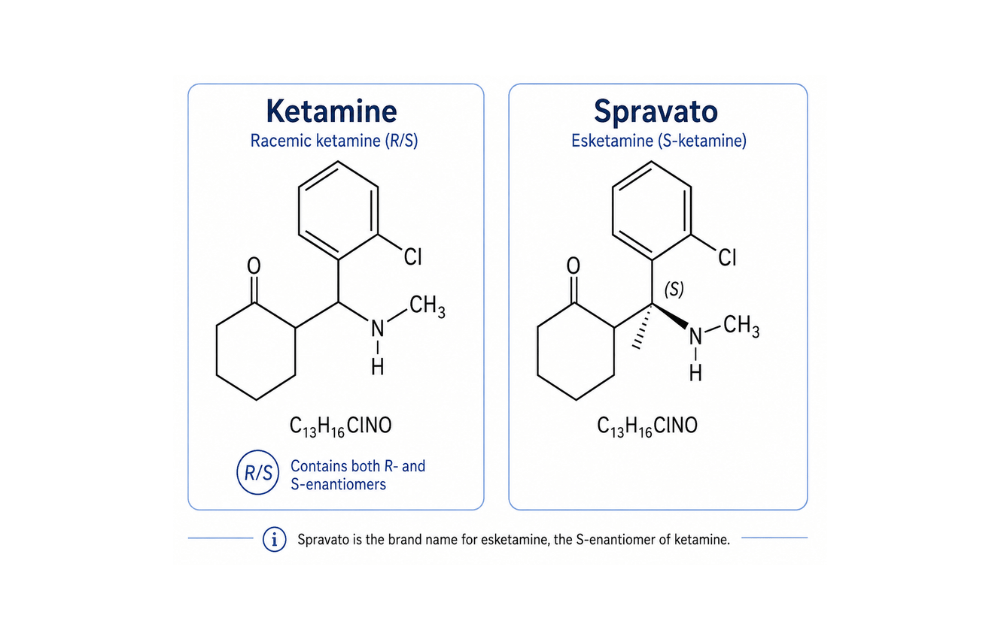
However, when depression persists despite multiple adequate medication trials, it may be time to consider advanced or alternative treatments that work through different brain pathways. This includes options like SPRAVATO® (esketamine) and other evidence-based interventions that target glutamate signaling and neuroplasticity rather than serotonin alone.
A Compassionate Next Step
If you have tried antidepressants without the relief you hoped for, you’re not alone—and you’re not out of options. Understanding why medications haven’t worked can be the first step toward finding an approach that does.
At EverHope Wellness Clinic, we take time to review your full treatment history, explain why certain medications may not have helped, and explore whether advanced depression treatments may be appropriate for you.
You don’t need to keep guessing or blaming yourself. Support exists—and there are different paths forward.
Schedule a consultation with EverHope Wellness Clinic today to learn more.
References
National Institute of Mental Health.Depression — Overview and treatment approaches.
https://www.nimh.nih.gov/health/topics/depression
Rush, A. J., et al. (2006). Acute and longer-term outcomes in depressed outpatients requiring one or several treatment steps: A STARD report.* American Journal of Psychiatry.
https://ajp.psychiatryonline.org/doi/10.1176/ajp.2006.163.11.1905
Duman, R. S., & Aghajanian, G. K. (2012). Synaptic dysfunction in depression: Potential therapeutic targets. Science, 338(6103), 68–72. https://www.science.org/doi/10.1126/science.1222939
Mayo Clinic. Antidepressants: Selecting one that’s right for you.
https://www.mayoclinic.org/diseases-conditions/depression/in-depth/antidepressants/art-20046273
Harvard Health Publishing. What are antidepressants? https://www.health.harvard.edu/mind-and-mood/what-are-antidepressants